

Why You're Still Stiff Despite Stretching (And What Actually Works)
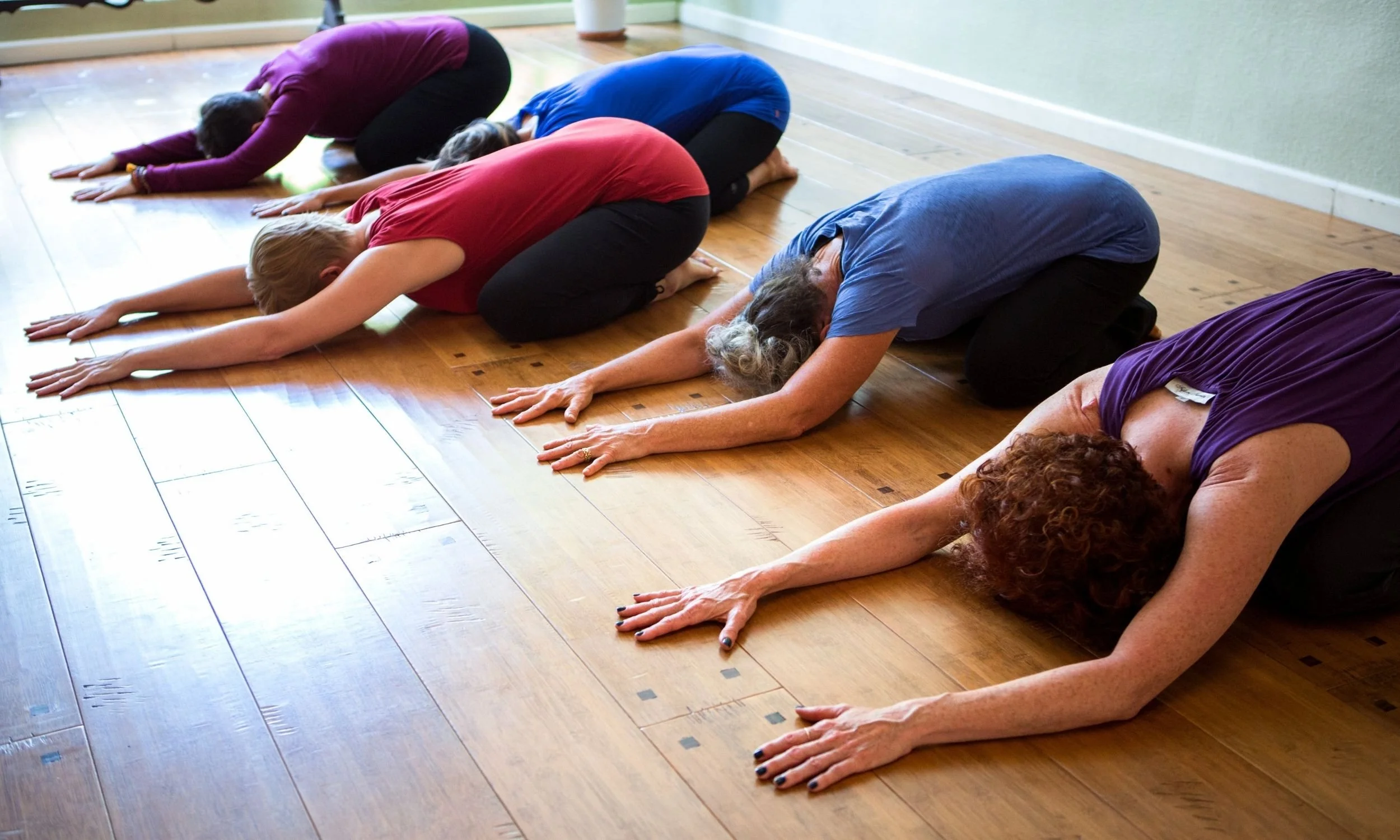
You've done everything right. You attend yoga class weekly. You stretch your hamstrings. You're diligent about your water intake. Yet every morning, your body feels like it's been shrink-wrapped overnight. Your shoulders are tight. Your hips are creaky. That fluid, easy movement you remember from your younger years feels like a distant memory.
Here's what most people don't know: the stiffness you feel isn't coming from your muscles. It's coming from your fascia—and stretching alone won't fix it.
What is Fascia (And Why Should You Care)?
Fascia is the connective tissue web that wraps every muscle, organ, and bone in your body. Think of it as a full-body wetsuit made of collagen and elastin. It's one continuous structure from the bottom of your feet to the top of your head, creating fascial lines that run through your entire body.
When fascia is healthy, it's 70% water. It's supple, mobile, and slippery—allowing your muscles to glide smoothly over each other and your joints to move through their full range of motion.
But here's the problem: fascia gets dehydrated. And when it does, it becomes dense, sticky, and restricted. Like the difference between a juicy peach and fruit leather.
That dehydrated fascia? That's what's making you feel stiff.
Why Drinking Water Isn’t Enough
You might be thinking, "But I drink plenty of water!" And you probably do. But here's the surprising truth: drinking water alone doesn't hydrate your fascia.
Your fascia is like a sponge. If you never squeeze a sponge, the old water stays trapped inside and fresh water can't get in. The same is true for your connective tissue. You need mechanical load—compression, stretching, and movement—to actually pump fluid through your fascial system.
Think of it this way: you can drink all the water you want, but if your tissue is stuck and dense, that water has no way to get where it needs to go.
The Three ReaSons Your Fascia Gets Dehydrated
1. Repetitive Movement Patterns
You move the same way every single day. The way you get out of bed. How you sit at your desk. Your go-to yoga poses. Your walking gait.
These repetitive patterns mean some fascial lines get overused while others atrophy. The fascia along your frequently-used pathways becomes dense and restricted. The fascia you rarely engage becomes weak and immobile.
Your body adapts to the shapes you put it in most often. If those shapes are limited, your fascia reflects that limitation.
2. Lack of Varied Movement
Fascia is a web. A web needs tension and movement in all directions: forward and back, side to side, rotation, spirals, compression, and stretch.
But most of us move primarily in one plane: forward. We walk forward. We reach forward. We bend forward. We spend very little time moving sideways, rotating, or exploring the full three-dimensional capacity of our bodies.
Fascia thrives on novelty. When you only give it the same movements day after day, it becomes specialized for those movements—and restricted everywhere else.
3. Static Postures and Inactivity
Sitting for hours. Standing in one position. Sleeping in the same posture every night. All of this creates fascial adhesions—places where the tissue sticks together and loses its ability to slide and glide.
When fascia doesn't move, it doesn't pump fluid. Old, stagnant fluid stays trapped. The tissue becomes dehydrated, dense, and stuck.
This is why you can feel fine all day at your desk, but when you finally stand up and try to move, everything feels tight and creaky. Your fascia has literally glued itself together from lack of movement.
What Actually Works: The Three-Pronged Approach
If stretching alone isn't enough, what is? You need a combination of compression, long-hold stretching, and dynamic movement. Here's why each piece matters:
1. Compression: Self-Myofascial Release
Compression techniques—using a tennis ball, foam roller, or your own hands—work like wringing out a sponge. You apply sustained pressure to dehydrated tissue, squeezing out the old, stagnant fluid. When you release that pressure, fresh fluid rushes back in.
How to do it:
Use a tennis ball under your foot while standing or sitting
Place a ball between your shoulder blade and a wall
Lie on your side with a ball at your hip or outer thigh
Apply pain-free pressure (discomfort is fine, sharp pain is not)
Hold for 20-30 seconds, breathe, and notice the "melt" sensation
The key is slow and sustained. Fast rolling doesn't give fascia time to respond. You want to find tender spots, pause, breathe, and wait for the release.
2. Long-Hold Stretching: The Yin Approach
Muscles respond to stretches held for 30-60 seconds. But fascia? Fascia needs 2-5 minutes to actually change and rehydrate.
This is why yin yoga—where you hold passive stretches for several minutes—is so effective for fascial health. You're not trying to force your muscles to lengthen. You're giving your fascia time to soften, hydrate, and release.
How to do it:
Choose a stretch that targets a fascial line (hip flexors, hamstrings, side body, chest)
Find your edge, then back off 10%
Stay still and let gravity do the work
Hold for 2-5 minutes
Notice what changes over time—the first minute might feel intense, but by minute two or three, you start to feel the tissue soften
Examples: Dragon pose (low lunge) for hip flexors, reclined twist for side body, supported bridge for chest and shoulders, wide-leg forward fold for inner thighs.
3. Dynamic Movement: Training Fascial Elasticity
Fascia isn't just about flexibility—it's about elastic recoil. Your fascia is designed to store and release energy, like a spring. But it needs dynamic, bouncing, multi-directional movement to maintain that elastic quality.
How to do it:
Add small bounces to your yoga poses (instead of static holds)
Do downdog with alternating heel reaches and gentle bounce
Practice standing side bends with a gentle bounce at the bottom
Explore spirals and rotational movements
Move in all planes: forward/back, side to side, rotation
Emphasize novelty and variety over perfect alignment
This isn't about forcing or bouncing aggressively. It's about adding a spring-loaded quality to your movement—alive and responsive rather than rigid and controlled.
Your Fascia needs Water AND Movement
Here's the bottom line: hydration isn't just about how much water you drink. It's about how well that water gets delivered to your tissues.
You can drink a gallon of water a day, but if your fascia is stuck, dense, and immobile, that water isn't reaching the places that need it most.
The solution is a combination approach:
Drink adequate water (aim for half your body weight in ounces)
Compress your tissues regularly (tennis ball work, foam rolling)
Stretch for time, not intensity (2-5 minute holds in yin-style poses)
Move dynamically in all directions (bounce, spiral, explore)
Start Small: A 5-Minute Daily Practice
You don't need to overhaul your entire routine. This is the simple 5-minute fascial health practice I shared with IAY members this month:
Morning Fascial Wake-Up:
Foot rolling (1 min): Tennis ball under each foot—arch, heel, ball of foot
Cat/cow with bounce (1 min): Add small pulsing movements to wake up your spine
Hip release (1 min): Place a ball at your hip flexor or do standing hip circles
Multi-planar reach (1 min): Reach overhead, to the side, add rotation, reach down—hit all directions
Constructive rest (1 min): Lie on your back, knees bent, feet flat—let everything settle
Do this every morning for a week. Notice how your body feels. More fluid? Less creaky? More ease when you move?
That's hydrated fascia.
The Long Game: Fascia and Aging Well
Here's what most people don't realize: the stiffness you associate with aging isn't inevitable. Much of it is dehydrated, immobile fascia.
The good news? Fascia is trainable at any age. It responds to consistent, intelligent input. You don't need to be flexible. You don't need to be strong. You just need to understand how your fascial system works and give it what it needs:
Compression to pump out old fluid and bring in fresh
Long holds to allow tissue to soften and rehydrate
Dynamic, varied movement to maintain elasticity and spring
This is anti-aging work at the cellular level. This is how you stay mobile, capable, and strong for decades to come.
Ready to Get Juicy?
If you've been stretching, hydrating, and doing all the "right" things but still feel stiff, it's time to address your fascia.
Your body isn't broken. It's not irreversibly aging. It's just thirsty—and it needs movement to drink.
Start with compression. Add yin-style stretching. Incorporate dynamic, multi-directional movement. Give your fascia the varied input it craves.
Your body will thank you. And that ease of movement you remember? It's still available to you—you just need to hydrate your tissues from the inside out.
Want to go deeper? Join me this February for Hydration + Fascia month inside It's All Yoga, where we'll explore fascial release techniques, dynamic movement practices, and daily habits for long-term fascial health. Your midlife body deserves to feel supple, mobile, and alive.

Michelle Marlahan is the founder of It's All Yoga, now a thriving online studio offering 10 live classes weekly and hundreds of recorded sessions ranging from 10-60 minutes. Her approach balances nervous system regulation with strength building specifically for women in their 40s-70s who value the privacy, autonomy and flexibility of virtual yoga practice. She also works privately with women who have pelvic pain, incontinence or prolapse to find balance and healing in the hips, low back and pelvic floor.