

The Truth About Hydration: Why Drinking More Water Isn't Fixing Your Stiffness
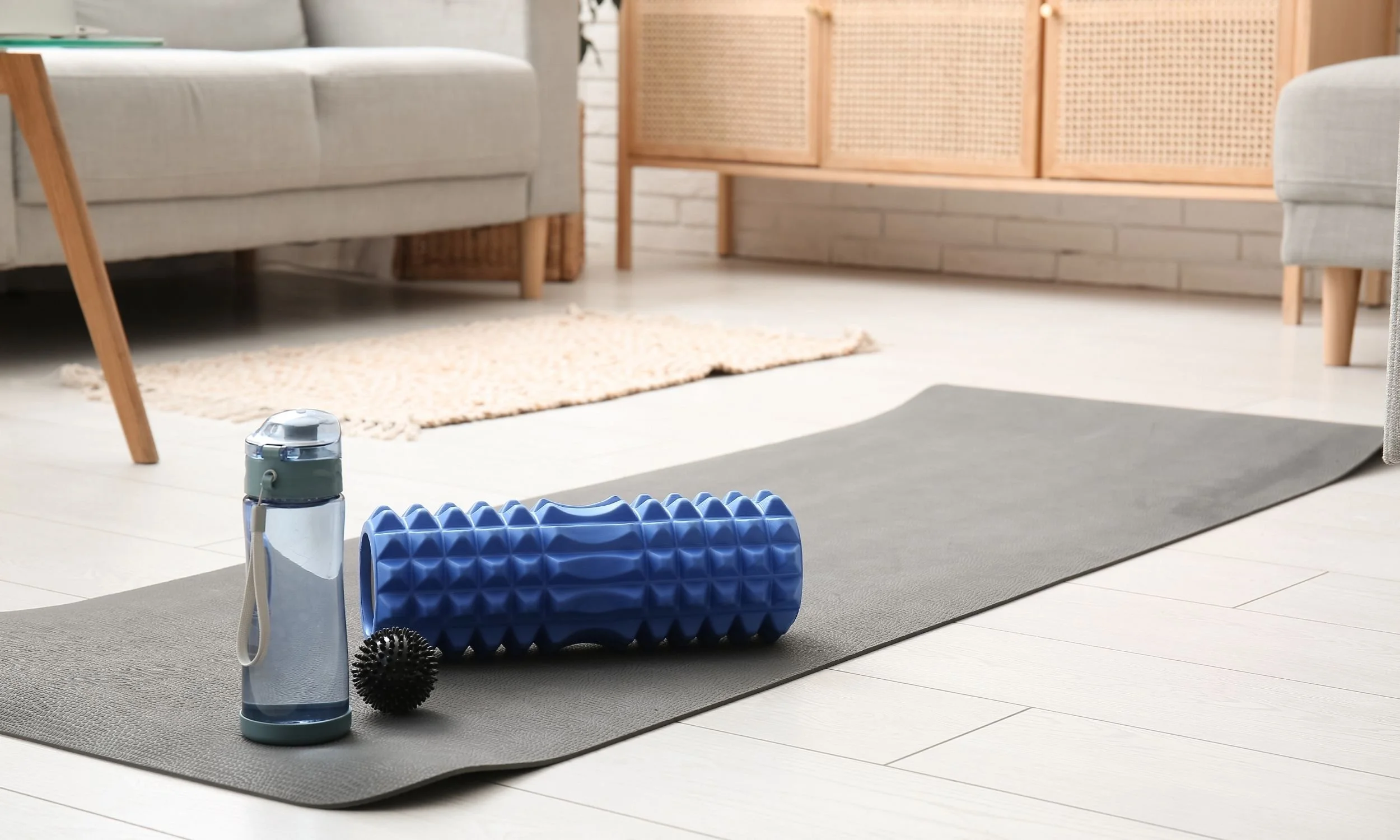
If you've ever googled "how to feel less stiff," the first piece of advice is always the same: drink more water.
So you do. You up your intake from six glasses to eight. You add lemon. You invest in a fancy water bottle with time markers. You're peeing constantly, which surely means you're hydrated, right?
And yet. You still wake up stiff. Your joints still feel creaky. Your muscles still feel tight and unyielding. You're drinking all this water, but your body doesn't feel hydrated at all.
Here's why: drinking water is only half the equation. The other half is tissue delivery. And if your fascia—the connective tissue web that wraps every muscle, organ, and bone—is stuck and immobile, the water you drink can't get where it needs to go.
The Hydration Myth We’ve all Bought into
The conventional wisdom about hydration goes like this:
Drink 8 glasses of water a day
More is better
If you're thirsty, you're already dehydrated
Light/clear urine = properly hydrated
This isn't wrong, exactly. But it's incomplete. Because it assumes that drinking water automatically equals cellular hydration. It doesn't.
Think of it this way: You can water a plant all day long, but if the soil is so compacted that the roots can't absorb it, the plant will still wither. Your body works the same way.
You can drink a gallon of water, but if your fascia is dehydrated and stuck, that water isn't reaching your tissues.
What Hydration Actually Means at the Tissue level
True hydration isn't just about the water in your bloodstream or digestive system. It's about water content in your cells and connective tissue.
Your fascia—the web of connective tissue that holds your entire body together—is supposed to be 70% water when it's healthy. This water isn't just sitting there. It's creating:
Lubrication: Allowing muscles to glide smoothly over each other
Shock absorption: Cushioning joints and protecting tissues
Nutrient delivery: Transporting oxygen and nutrients to cells
Waste removal: Flushing out metabolic byproducts
Elasticity: Giving tissues their spring and bounce
When fascia is properly hydrated, you feel supple, mobile, and resilient. Movement is easy. Recovery is quick. Your body feels younger than your chronological age.
But when fascia is dehydrated—when it's only 40% or 50% water instead of 70%—it becomes:
Dense and stuck instead of mobile
Stiff instead of supple
Prone to adhesions where tissue sticks together
Slow to recover from stress or injury
Literally "dry" in a way that drinking more water won't fix
This is the hydration problem that nobody talks about.
Why your Tissues Aren’t Absorbing the Water you DRink
Fascia is like a sponge. A healthy sponge is soft, pliable, and can easily soak up water. But a dry, crusty sponge? It actually repels water until you work it, squeeze it, and manipulate it back to life.
Your dehydrated fascia is the crusty sponge. And here's what creates that dehydration:
1. Lack of Mechanical Load
Fascia needs compression and stretch to pump fluid through the tissue. Think of it like a sponge again: if you never squeeze it, the old water stays trapped inside and fresh water can't come in.
The same principle applies to your body. Without regular compression (through self-massage, foam rolling, or specific pressure) and stretch (long holds, not quick stretches), you're not creating the pumping mechanism that delivers fresh fluid and removes stagnant fluid.
You can drink all the water you want, but without mechanical load, your fascia can't use it.
2. Repetitive Movement Patterns
You move the same way every single day. The same walking gait. The same yoga poses. The same posture at your desk. Over years and decades, this creates fascial patterns—some areas become overused and dense, while other areas atrophy and stiffen.
These dense, stuck areas are like compacted soil. Water can't penetrate them. Meanwhile, the atrophied areas aren't getting any movement at all, so there's no pumping action to draw water in.
Your fascial system becomes a landscape of drought zones, regardless of your water intake.
3. Sedentary Lifestyle
Sitting for hours creates fascial adhesions—places where the connective tissue literally sticks together. These adhesions block fluid flow. They're like dams in a river system, preventing water from reaching downstream tissues.
The longer you sit still, the more adhesions form. The more adhesions you have, the less your tissues can absorb the water you're drinking.
Inactivity creates a hydration barrier at the tissue level.
4. Age-Related Changes (That Movement Can Address)
As we age, fascia naturally becomes more densely packed. Collagen fibers cross-link more. The tissue loses some of its water-holding capacity.
But here's the key: these changes are dramatically accelerated by the three factors above. And they can be reversed—or at least significantly improved—by addressing fascial health directly.
The Three-Part Solution: How to Actually Hydrate Your Tissues
If drinking water alone isn't enough, what is? You need to create the conditions for tissue absorption. Here's how:
1. Drink Water Strategically (Yes, You Still Need to Drink)
Before we talk about movement, let's optimize your water intake:
How much:
Aim for half your body weight in ounces. If you weigh 150 pounds, that's 75 ounces of water per day. This is more personalized than the generic "8 glasses."
When:
Front-load your hydration. Drink most of your water before noon. This gives your body time to absorb it before evening (and prevents 3am bathroom trips).
What:
Plain water is great, but consider adding:
Electrolytes: A pinch of sea salt, trace mineral drops, or coconut water
Water-rich foods: Cucumber, melon, celery, citrus, leafy greens
Herbal tea: Counts toward hydration and adds variety
Quality over quantity:
Chugging 64 ounces in an hour isn't helpful. Your body can only absorb so much at once. Sip consistently throughout the day.
Now the critical piece: none of this matters if your fascia can't absorb it. You need movement.
2. Compression: The Sponge-Squeezing Technique
Self-myofascial release—using a tennis ball, foam roller, or your own hands—literally squeezes old fluid out of dehydrated tissue. When you release that pressure, fresh fluid rushes back in.
This is the most direct way to rehydrate your fascia.
Where to compress:
Feet: The foundation of your body. Tennis ball under arch, heel, ball of foot. These tissues get dense from bearing your weight all day.
Hips: Hip flexors, glutes, outer hips. Sitting creates massive adhesions here.
Shoulders: Between shoulder blades and along the upper back. Computer work and stress store here.
Calves and hamstrings: Often overlooked but crucial for lower body hydration.
How to do it:
Apply sustained pressure (20-30 seconds per spot)
Use "pain-free pressure"—discomfort is okay, sharp pain is not
Breathe deeply to enhance the release
Notice the "melt" sensation as tissue softens
Move to a new spot and repeat
When to do it:
Daily is ideal, even just 5 minutes. Morning works well to "wake up" your fascia. Evening helps release the day's tension.
3. Long-Hold Stretching: Creating Space for Fluid
Quick stretches (30-60 seconds) target muscles. But fascia needs 2-5 minutes to actually change, soften, and absorb fluid.
This is why yin yoga—where you hold passive stretches for several minutes—is so effective for tissue hydration. You're literally giving your fascia time to reorganize and rehydrate.
Key fascial stretches:
Dragon pose (low lunge):
Targets hip flexors and the front fascial line. Hold 3-5 minutes per side. This is where most people store the most dehydration from sitting.
Reclined twist:
Targets side body and spiral fascial lines. Hold 3-5 minutes per side. Creates space in the ribcage and torso.
Supported bridge or fish:
Opens chest and shoulders. Hold 3-5 minutes. Counteracts rounded posture and shallow breathing.
Wide-leg forward fold:
Targets inner thighs and deep hip fascia. Hold 3-5 minutes. Often overlooked but incredibly effective.
The practice:
Find your edge (where you feel sensation)
Back off 10% (this isn't about forcing)
Stay still and breathe
Let gravity do the work
Notice what changes over the course of 3-5 minutes
What you're doing:
Creating space in the tissue. Allowing old fluid to drain. Making room for fresh fluid to enter. Think of it as opening a closed faucet.
4. Dynamic Movement: The Fluid-Pumping Action
Your fascial system needs movement to pump fluid through—like how your muscles pump blood back to your heart.
But not just any movement. Fascia thrives on variety, novelty, and multi-directional input.
What this looks like:
Bouncing: Small, gentle bounces in poses (cat/cow, downdog, squats)
Spiraling: Rotational movements through the spine
Multi-planar reach: Overhead, side, rotation, down—all directions
Rebounding: Heel raises, gentle jumping, spring-loaded quality
Movement snacking: Short bursts of varied movement throughout the day
Why variety matters:
If you do the same movement every day, you're only hydrating the same fascial lines. The areas you never move remain dry and stuck.
Novelty = comprehensive hydration.
What Proper Tissue Hydration Actually Feels Like
When your fascia is properly hydrated—not just from drinking water, but from movement that delivers that water to your tissues—you'll notice:
In the morning:
Less stiffness when you wake up
Easier to get moving without a long "warm-up" period
Joints feel lubricated, not creaky
During movement:
Fluidity instead of restriction
Ease instead of effort
A "juicy" quality to how your body moves
Spring and bounce instead of heaviness
After exercise:
Faster recovery
Less soreness that lingers for days
Quicker return to baseline
Overall:
Skin that looks more supple (fascia is just beneath the skin)
Better temperature regulation
Improved resilience to stress
A younger feeling in your body
This is what true hydration feels like—not just pee that's clear, but tissues that are alive.
Your Daily Hydration-plus-movement routine
Here's a simple protocol that addresses both drinking water AND tissue absorption:
Morning (10 minutes):
Drink 16 oz water with a pinch of sea salt (rehydrate after sleep)
Foot rolling with tennis ball (1-2 minutes per foot)
Cat/cow with gentle bounce (2 minutes)
Dragon pose or hip circles (2 minutes)
Multi-planar reach sequence (2 minutes)
Throughout the day:
Sip water consistently (not all at once)
Movement snack every 90 minutes (2 minutes of varied movement)
Change positions frequently (don't sit the same way for hours)
Evening (5 minutes):
Shoulder release with ball against wall (2 minutes)
Reclined twist (2 minutes, one side)
Constructive rest (1 minute)
Weekly:
One longer yin practice (20-30 minutes of 3-5 minute holds)
At least one session of more vigorous compression work (foam rolling, ball work)
The Real Hydration Formula
Here's the truth about hydration that nobody tells you:
Hydration = Water Intake + Mechanical Load + Movement Variety + Time
You need:
Water intake: Half your body weight in ounces, spread throughout the day
Mechanical load: Compression and long stretching to pump fluid through tissue
Movement variety: Multi-directional, varied movement to reach all fascial lines
Time: Consistent practice over weeks and months for fascial remodeling
Miss any one of these pieces, and your tissues stay dehydrated no matter how much water you drink.
The Takeaway: Drink Water AND move Your Fascia
You're not failing at hydration. The advice you've been following is just incomplete.
Drinking water is essential—don't stop doing that. But if you want to actually feel hydrated in your body, if you want supple tissue instead of stiff joints, if you want the kind of mobility that makes you feel younger instead of older, you need to address your fascia.
Compress it. Stretch it for time. Move it in varied, dynamic ways. Give it what it needs to absorb the water you're faithfully drinking.
Your body will tell you when you get it right. You'll feel it in how you move, how you recover, how you show up in your life.
This is hydration at the cellular level. This is how you actually get juicy again.
Ready to learn the full system? This February, I'm teaching everything you need to know about fascial hydration—the science, the techniques, and the daily practices that make your body feel supple and alive. Join me inside It's All Yoga for Hydration + Fascia month.

Michelle Marlahan is the founder of It's All Yoga, now a thriving online studio offering 10 live classes weekly and hundreds of recorded sessions ranging from 10-60 minutes. Her approach balances nervous system regulation with strength building specifically for women in their 40s-70s who value the privacy, autonomy and flexibility of virtual yoga practice. She also works privately with women who have pelvic pain, incontinence or prolapse to find balance and healing in the hips, low back and pelvic floor.